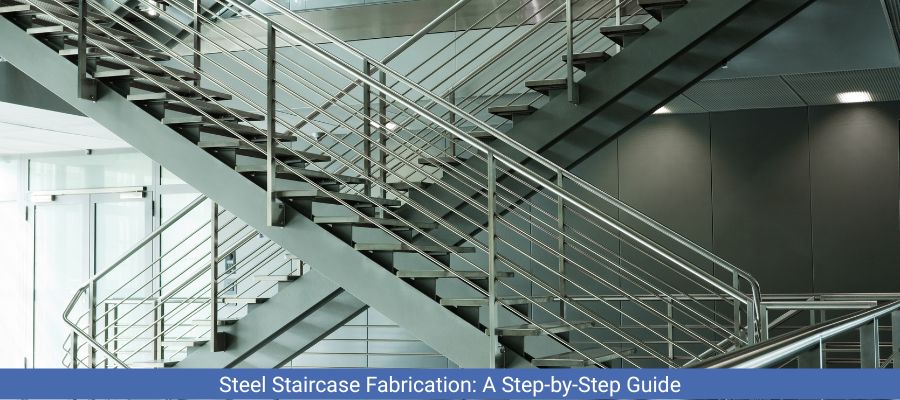
Fabricating a metal steel staircase is a sophisticated blend of structural engineering, precise mathematics, and skilled craftsmanship. Whether you are designing a sleek spiral staircase for a modern apartment or a robust industrial flight for a multi-storey building, steel offers unparalleled strength, durability, and versatility.
As a leading resource for steel staircases manufacturers , this guide provides a comprehensive walkthrough of the fabrication process, focusing on safety, compliance, and aesthetic staircase designs for homes and commercial spaces.
Before sparks fly, every project begins with geometry. A staircase is more than just a series of steps; it is a critical safety component of a building’s infrastructure.
Key Terminology
The first step in fabricating staircases is calculating the rise and run. Most building codes require specific dimensions to ensure user safety.
To build a high-quality metal steel staircase, you must source materials from reputable steel staircases suppliers.
Material Options:
Essential Tools:
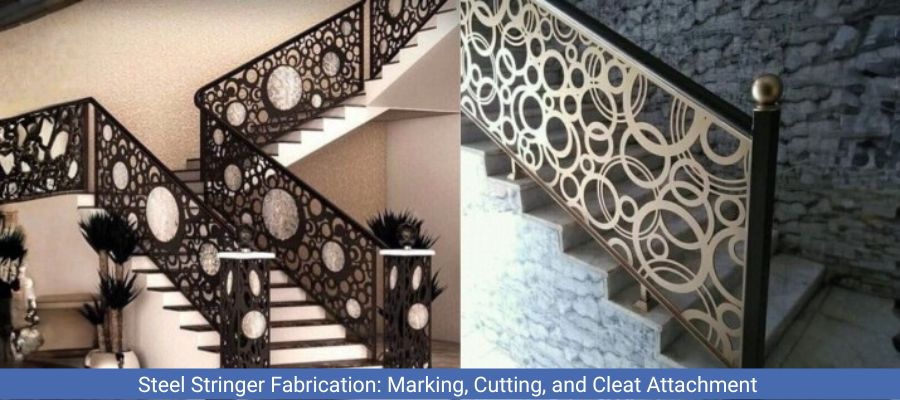
The stringer is the backbone of the system. For a standard straight flight, you will likely use C-channels or rectangular hollow sections (RHS).
Treads can be fabricated from solid steel plates, open gratings, or even steel pans designed to be filled with concrete or topped with timber.
This is where the metal steel staircase takes its final shape.
A staircase is incomplete—and illegal in most jurisdictions—without a staircase railing.
Steel is prone to rust if not treated.
Most residential codes require a minimum width of 900mm. However, 1000mm to 1200mm is preferred for better accessibility.
Yes, provided they meet the minimum diameter requirements (usually 1500mm or more) to allow for a safe walking path near the center column.
Steel offers superior fire resistance, does not creak over time, and can support longer spans with thinner profiles, enabling more creative modular staircase designs.
Costs vary widely based on the complexity of the design, the weight of the steel, and whether you choose a standard finish or an ss railing staircase.
Many modular staircases are designed as kits that can be bolted together. However, the structural attachment to the building should be inspected by a professional.
Stainless steel (Grade 316) or galvanized mild steel with a powder coat are the best choices to resist weathering.
Use checkered (diamond) plate steel, apply anti-slip adhesive strips, or use a non-slip grit-infused paint finish on the treads.
The pitch is the angle of the staircase. You find it using the inverse tangent of the (Rise / Run). A comfortable angle is usually between 30 and 37 degrees.
Yes, most codes require a landing for every 3.5 to 4 meters of vertical rise to provide a rest point and reduce fall distance.
Current trends include "floating" stairs with a single central stringer, integrated LED lighting under the treads, and glass balustrades held by steel railings for staircase posts.

Founder & CEO
Mukesh Patel is the Founder & CEO of Build Matt ltd, specializing in Pre-Engineered Buildings (PEB) and general steel fabrication. With advanced technology, modern machinery, and a skilled workforce, he delivers efficient and high-quality solutions across East and Central Africa, including Uganda, Kenya, Tanzania, Congo, South Sudan, Rwanda, and Burundi.