Build Matt Ltd.

  November 21, 2025
Share At:
Google AI ChatGPT Grok Perplexity

Listening Article

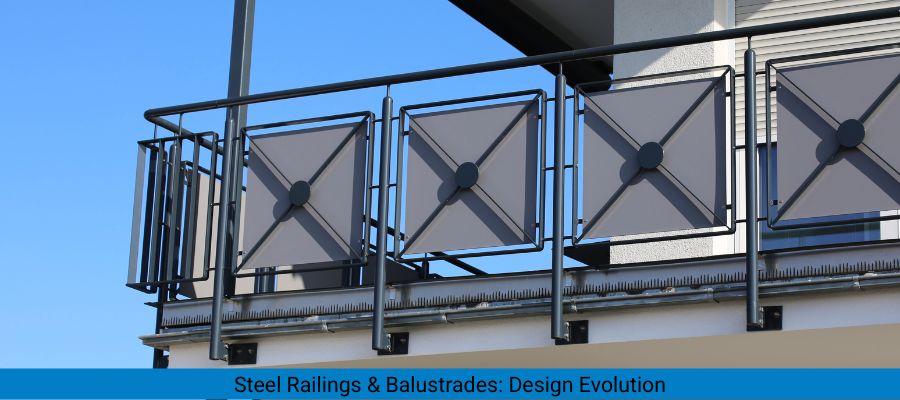
In the world of modern architecture, few elements balance functional necessity with aesthetic elegance as effectively as steel railings and balustrades. As we move into 2026, these structures have evolved from simple safety barriers into sophisticated design statements that define the character of both residential and commercial spaces.

This comprehensive guide explores everything from material science and safety standards to the latest design trends and maintenance strategies for steel balustrade systems.

What Are Steel Railings and Balustrades? A Complete Overview

While often used interchangeably, railings and balustrades serve slightly different structural roles. A railing is a generic term for a barrier consisting of a rail and supports, primarily used to provide a handhold or prevent falls on stairs and balconies. A balustrade refers to a complete row of small columns (balusters) topped by a rail; it is essentially an ornamental and functional protective edge for terraces, bridges, or staircases.

Modern steel versions of these systems are valued for their high tensile strength and slim profiles, allowing architects to create secure boundaries without obstructing views or natural light.

Advantages of Steel Railings and Balustrades in Modern Construction

Steel has become the “gold standard” in modern construction for several reasons:

  • Exceptional Durability: Unlike wood, which can rot, or plastics that degrade under UV exposure, steel maintains its structural integrity for decades.
  • Safety and Security: Steel can withstand high-impact loads and harsh weather, meeting the most stringent building codes.
  • Sustainable and Eco-Friendly: Steel is 100 percent recyclable. In 2026, the use of recycled steel in construction is a key metric for green building certifications like LEED.
  • Low Maintenance: Particularly when treated with powder coatings or when using stainless alloys, steel requires minimal upkeep compared to traditional materials.

Types of Steel Used in Railings and Balustrades

Choosing the right type of steel is critical for both the longevity and the cost-efficiency of a project. The two primary contenders are Stainless Steel and Mild Steel.

Stainless Steel vs. Mild Steel Railings: Which Is Better?

Feature

Stainless Steel (SS)

Mild Steel (MS)

Corrosion Resistance

Extremely high (self-healing oxide layer).

Low (requires coating/galvanization).

Aesthetics

Modern, polished, or brushed finish.

Industrial, can be painted in any color.

Cost

Higher initial investment.

Budget-friendly upfront.

Maintenance

Low; regular cleaning only.

Moderate; requires periodic repainting.

Ideal For

Coastal areas, luxury interiors.

High-traffic commercial, budget residential.

Design Trends in Steel Railings and Balustrades

As we look toward 2026, the “Warm Minimalism” trend is dominating architectural circles.

  • Glass and Steel Balustrades: This combination remains the most popular for modern homes. High-clarity tempered glass panels are framed by slim stainless steel posts, providing a “no-boundary” feel.
  • Integrated LED Lighting: Smart railings with built-in LED strips underneath the handrail or within the posts enhance safety at night while adding an ambient glow to staircases.
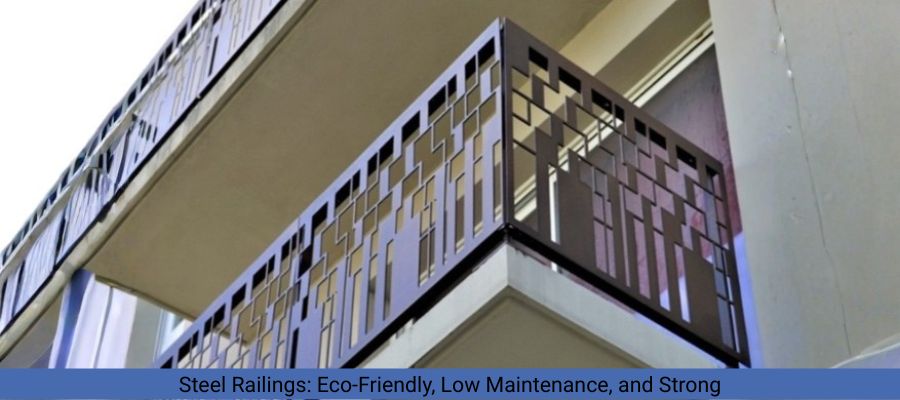
  • Laser-Cut Panels: Custom geometric or organic patterns cut into steel sheets are replacing traditional vertical bars, offering a unique artistic flair.
  • Matte Black and Bronze Finishes: Moving away from shiny chrome, matte black powder-coated steel provides a bold, industrial-chic look.

Indoor vs. Outdoor Steel Railings: Key Differences

The environment dictates the technical specifications of the railing:

  • Indoor Railings: Focus more on ergonomics and aesthetics. Materials like Grade 304 Stainless Steel are sufficient as they are not exposed to rain or salt.
  • Outdoor Steel Railings: Focus on Corrosion Resistance. Grade 316 Stainless Steel is mandatory for coastal regions due to its molybdenum content, which resists chloride-induced pitting. For mild steel, “Hot-Dip Galvanization” is the standard practice to prevent rust.

Safety Standards for Steel Railings and Balustrades

Compliance with local building codes (such as IBC in the US or BS 6180 in the UK) is non-negotiable. Key standards include:

  • Height Requirements: Residential railings typically must be at least 36 to 42 inches high, while commercial standards often require 42 inches or more.
  • The 4-Inch Rule: Balusters must be spaced such that a 4-inch diameter sphere cannot pass through any opening, protecting children and pets.
  • Load Capacity: Systems must withstand a concentrated load of at least 200 pounds of force applied in any direction.

Steel Railings in Different Environments

Custom Residential Projects

For homeowners, steel railings offer the chance to personalize a space. Custom handrails can be combined with wood treads to add warmth, or cable railings can be used for a nautical, airy feel on decks.

Commercial Buildings and High-Traffic Areas

Steel is ideal for high-traffic areas like malls, airports, and office buildings because it is “impact-resistant.” It does not dent easily and can handle the constant friction of hand traffic without showing significant wear.

Installation and Maintenance Tips for Steel Railings and Balustrades

Steel Railings Installation Process

Professional installation involves several critical steps:

  • Surface Preparation: Ensuring the concrete or wood substrate is level and structurally sound.
  • Anchoring: Using masonry anchors or heavy-duty bolts to secure posts.
  • Leveling: Using spirit levels to ensure the handrail is perfectly plumb.

Steel Railings Maintenance and Corrosion Resistance

Even stainless steel is not “stain-free.” To keep railings looking new:

  • Regular Cleaning: Wipe down with mild soapy water to remove salt deposits and pollution.
  • Avoid Abrasives: Never use steel wool, as it can embed iron particles and cause surface rust.
  • Check Fixings: Periodically tighten bolts and check for any signs of “tea staining” (minor surface discoloration).

Steel Railings Cost Factors and Common Mistakes

Cost Factors: The price is influenced by the grade of steel (304 vs 316), the complexity of the design (curved vs straight), and the infill type (glass, cable, or bars).

Steel Railings Common Mistakes to Avoid:

  • Using Grade 304 stainless steel in a coastal or pool environment.
  • Neglecting local building code height requirements.
  • Underestimating the weight of glass infill panels, leading to structural instability.

Steel Railings and Balustrades Future Trends: What’s Next?

The future of balustrade design lies in Industrial 4.0 Integration. We are seeing the rise of modular, 3D-printed steel connectors and bio-mimetic designs that use less material while providing higher strength. Sustainability will remain the core driver, with a shift toward “Circular Construction” where railings are designed for easy disassembly and reuse.