
AI Summary
Before steel structures for bridges are released for fabrication, project teams should confirm verified survey control, support positions and levels, bearing and connection interfaces, delivery constraints and a set of approved, coordinated drawings. Each item links the design to measured site conditions. Where site records and design information disagree, the responsible parties need a documented decision before affected steelwork is released, so fabrication proceeds against one agreed geometric and technical basis.
Why Steel Structures for Bridges Depend on Site Information
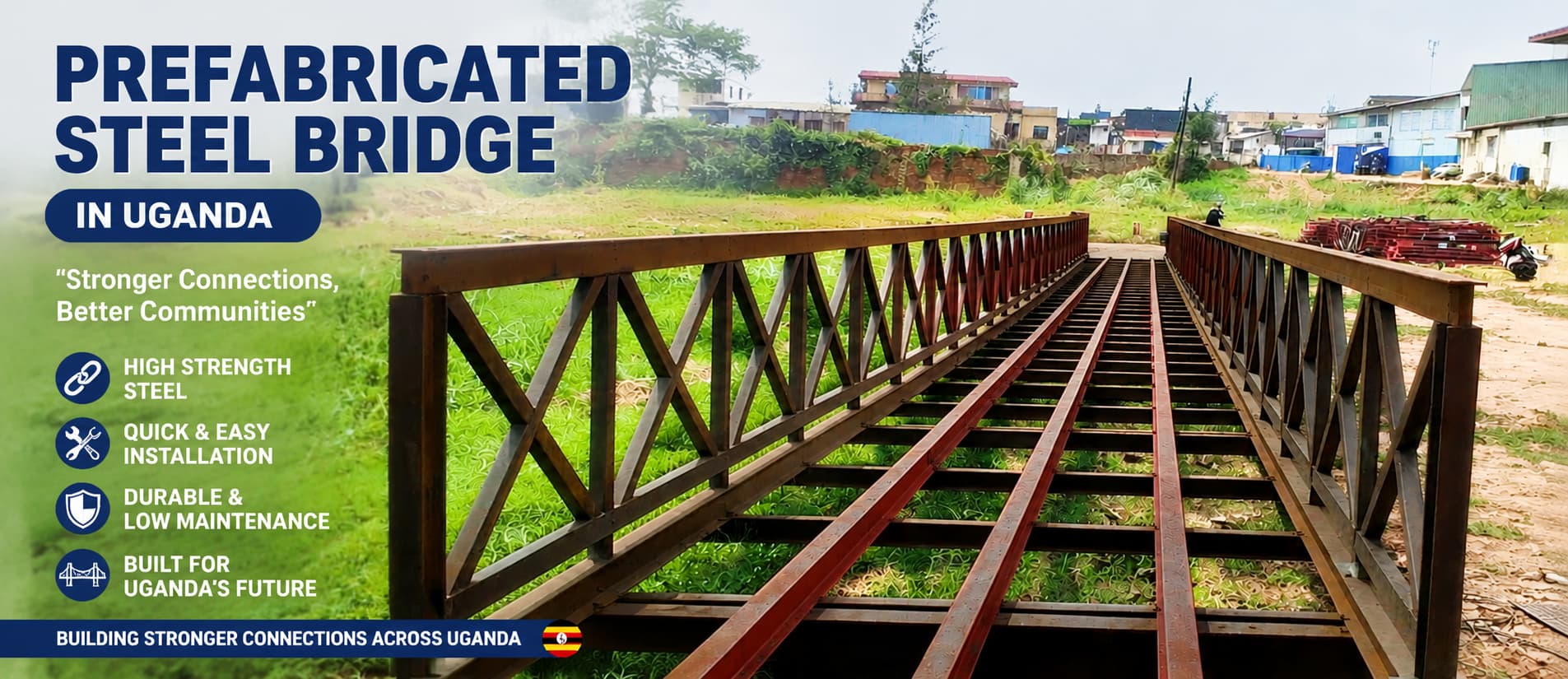
Steel structures for bridges, like most heavy steel structures, are fabricated to a fixed geometry that must suit the supports on site. That fit depends on an agreed relationship between the bridge design and actual site conditions. Build Matt, a Kampala based heavy steel structure manufacturer supplying bridge girders and related components to projects in Uganda and across East Africa, prepares shop drawings from the information project teams provide. This guide outlines what that information should include before fabrication release.
Steel Structures for Bridges: Survey Control and Support Locations
Survey information sets the geometric reference that every fabrication drawing follows. As the steel structure builder on a bridge package, Build Matt should receive records covering:
- The agreed coordinate system, survey control points and level datum.
- Bridge alignment, chainage and orientation.
- Abutment and pier positions, with support centre lines, elevations and skew where applicable.
- Available measurements of completed supporting works.
- Survey dates, methods, accuracy statements and the responsible survey party.
Proposed support coordinates and measured positions of completed construction are separate records. Label them clearly and list every difference between them rather than absorbing it into the steelwork geometry.
Where supports are not yet built, fabrication may proceed against approved setting out information, agreed construction tolerances and defined verification stages. The tolerance values themselves come from the project specification.
Clearances and Site Constraints That Affect Bridge Fabrication
Surrounding conditions can influence the approved geometry or the project brief. Bridge fabrication records should identify:
- Adjacent roads, railway infrastructure, buildings and existing structures.
- Known overhead and underground services.
- Required operating and construction clearances.
- Access restrictions around abutments and piers.
- Waterway or flood related design information where applicable.
- Interfaces with existing bridge sections on alteration or replacement projects.
The height of an adjacent structure is measured site data. A required clearance or design flood level is set by the responsible designers and authorities. Recording the source of each value keeps a survey reading from being mistaken for a design requirement when Build Matt prepares shop drawings.
Bearing Interfaces to Confirm for Steel Girders
Bearings are where steel girders meet the supporting structure, so their details fix several fabricated dimensions. Confirmation should cover:
- Bearing type and identification.
- Fixed, guided or free movement functions, permitted movement directions and orientation, as specified by the designer.
- Bearing centre positions and seat levels.
- Sole plates, base plates and other specified interface components.
- Anchor groups, recesses and setting out details.
- Grout allowances and installation interfaces where specified.
- Reference conditions for preset positions where the design requires them.
These details are usually coordinated among the structural designer, bearing supplier, civil contractor and fabricator. Arrangements can differ between supports on one bridge, so confirm each bearing individually.
Bearing seats and bearing stiffeners fall within Build Matt's bridge girder scope, which makes the current bearing schedule an early document to share with its detailing team.
Connection Details for Heavy Steel Structures and Adjacent Works
Beyond the bearings, heavy steel structures connect to other fabricated sections and adjacent works. Drawings should coordinate:
- Connections between fabricated sections.
- Cross frames, bracing and secondary steel interfaces.
- Deck, diaphragm or other structural interfaces relevant to the design.
- Connections to existing steelwork where applicable.
- Required openings, embedded items and attachment locations.
- Dimensions and revision status across all interfacing drawings.
- Design allowances for fit and adjustment where specified.
When a measured condition conflicts with a connection detail, refer the discrepancy to the responsible designer. The steelwork should not be changed to suit site measurements until a revised detail is approved.
With complete connection information, Build Matt can model girders, diaphragms and cross frames together in Tekla Structures for interference checks and, where specified, confirm fit through trial assembly in its workshop.
Delivery Access and Assembly Space in Steel Fabrication for Bridges
Site logistics shape how steel fabrication for bridges is divided and delivered. Useful information includes:
- Delivery route constraints and site entrance geometry.
- Vehicle turning, unloading and temporary holding areas.
- Restrictions on component transport dimensions or delivery timing.
- Space available for ground assembly or staged delivery.
- Proposed lifting access and equipment positions.
- Ground suitability information required by logistics and lifting specialists.
- Interfaces with traffic management, waterway access or ongoing operations.
These constraints may influence proposed section lengths and splice arrangements, subject to structural design approval. Component lengths should balance transport limits, assembly space and approved splice positions.
Build Matt supplies components either knocked down or preassembled according to site logistics and lifting limitations, with each part marked for identification on site, so this information shapes that choice.
Bridge Fabrication: Coordinating Drawing Approval and Release
Information becomes a fabrication basis only once it is controlled and agreed. A release package typically includes:
- A controlled set of current drawings and site records.
- A register of assumptions, discrepancies and unresolved questions.
- Written responses to technical queries.
- Confirmation of bearing and connection interfaces.
- Identification of drawings approved for fabrication.
- Review and release responsibilities defined in the contract.
- Change control procedures after release.
The purpose and authority of each drawing review should follow the contract. Distinguish fabrication detailing checks from structural design approval, and identify who is responsible for survey information, civil works and each connection interface.
Where formally agreed, release can be staged, with dependencies and outstanding information recorded against each stage. Approval chains vary, so confirm who signs each release before Build Matt begins production.
A Site Information Checklist for Steel Structures for Bridges
| Information package | Confirmation needed before release |
|---|---|
| Survey control and support geometry | Datum, control points and support records identified, with differences listed |
| Site constraints and clearances | Each clearance marked as measured or specified |
| Bearing schedules and interface drawings | Current schedule agreed by designer, supplier and contractor |
| Connections to adjacent works | Interfacing drawings checked at matching revisions |
| Delivery and assembly constraints | Section lengths and splices accepted by the structural designer |
| Resolved technical queries | Written response filed for each query |
| Approved drawing revisions and release scope | Drawings and stages approved for fabrication identified |
About Build Matt and Heavy Steel Structures
Established in 2001 in Kampala, Uganda, Build Matt fabricates heavy steel structures including welded plate girders, box girders, diaphragms and cross frames for highway and railway bridges, along with towers and industrial girders. Its in house team develops shop drawings from client information, so approved design drawings, site records and clearly defined fabrication requirements give that work a dependable starting point.
Confirming Site Information for Steel Structures for Bridges
Steel structures for bridges should be released against coordinated, approved information, with a named party responsible for every open site issue. Link each unresolved item to the drawings or components that remain on hold. Project teams can share their approved drawings and site records with Build Matt to discuss the fabrication scope and the information needed to begin detailing.
Steel Structures for Bridges: Site Information FAQs
Must abutments and piers be completed before fabrication starts?
Not always. Fabrication can begin against approved setting out information and agreed construction tolerances, with verification stages defined for the completed supports. The project team decides how much steelwork Build Matt can fabricate before those measurements become available.
What happens if support positions change after fabrication release?
Notify the responsible project parties and place potentially affected fabrication on hold while the change is assessed. The responsible designer should confirm the affected components and required revisions. Build Matt can resume the authorised work once the revised information and release instructions are approved through the agreed change control process.
How should site measurements be recorded when access is restricted?
Record which points were measured directly, which were derived and why access was limited, together with the method and accuracy achieved. The designer can then decide whether a later verification survey is needed before dependent steelwork is released to Build Matt.
What should happen when site measurements differ from design drawings?
Record the difference in the discrepancy register and refer it to the responsible designer. Affected steelwork stays on hold until a documented decision, such as a revised approved drawing, confirms which geometry applies.
What reference conditions should accompany bearing setting information?
Setting information should state the conditions it assumes, such as the reference temperature and construction stage defined by the designer. Without them, a preset position cannot be checked. The designer and bearing supplier should confirm these before Build Matt finalises the affected interface details.
Who authorises fabrication release for bridge steelwork?
Release authority follows the contract and may involve the designer, consultant or main contractor. The authorising party should confirm the approved drawings, revision status and release scope to Build Matt in writing before production starts.
Can Build Matt prepare shop drawings from the site information supplied?
Yes. Build Matt's in house team develops fabrication shop drawings using Tekla Structures and AutoCAD, based on the approved design and site records provided. Complete site information lets these drawings reach review with fewer open queries.
Meta title (58 characters):
Steel Structures for Bridges: Site Info Before Fabrication
Meta description (156 characters):
Confirm survey control, bearing interfaces and delivery limits before steel structures for bridges go to fabrication. Practical guide by Build Matt, Uganda.

Founder & CEO
Mukesh Patel is the Founder & CEO of Build Matt ltd, specializing in Pre-Engineered Buildings (PEB) and general steel fabrication. With advanced technology, modern machinery, and a skilled workforce, he delivers efficient and high-quality solutions across East and Central Africa, including Uganda, Kenya, Tanzania, Congo, South Sudan, Rwanda, and Burundi.