Read Our Article
Balcony Railing Design Trends for Apartments and Commercial Buildings in KampalaHow to Prevent Rust and Corrosion on Steel Balcony Railings in Tropical Climates
April 13, 2026
Share At:




Listening Article
Introduction: Uganda's Climate and the Corrosion Challenge
Uganda’s equatorial climate delivers conditions that are among the most challenging for steel structures anywhere in the world. Kampala receives an average annual rainfall of over 1,200 mm, with humidity levels regularly exceeding 80% in lakeside areas and urban centres. Year-round temperatures between 22°C and 30°C, combined with intense UV radiation at altitude, accelerate the oxidation process that causes steel to rust.
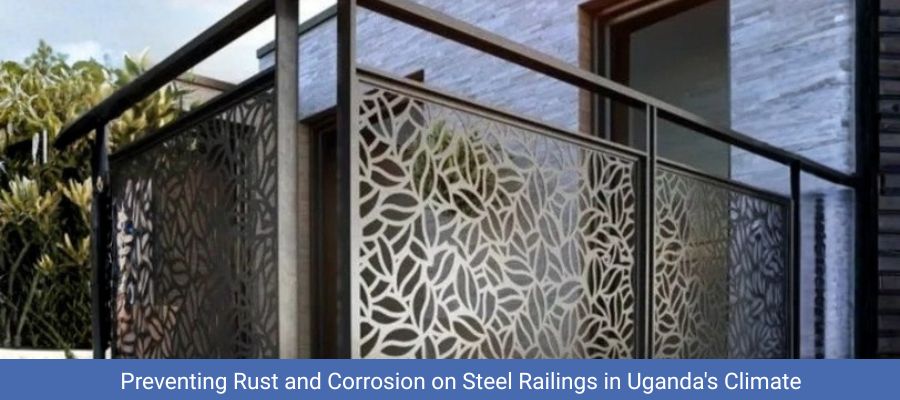
For steel balcony railings—which are constantly exposed to rain, condensation, UV light, and airborne pollutants—corrosion is the single biggest threat to structural integrity and aesthetic appearance. A steel railing that is inadequately protected can begin showing surface rust within six to twelve months in Uganda’s climate, and structural rust that compromises the railing’s load-bearing capacity can develop within three to five years if left untreated.
Build Matt Ltd., Uganda’s leading manufacturer of steel railings and steel balustrades, has developed proven anti-corrosion systems for balcony railings that are specifically engineered for East Africa’s tropical environment. This article shares that knowledge with homeowners, building managers, and contractors who want to protect their investment and ensure their railings remain safe and attractive for decades.
Quick Response Guaranteed
Email Us Now!
Understanding Rust: How Corrosion Affects Steel Balcony Railings
Rust is the product of an electrochemical reaction between iron (the primary component of steel), oxygen, and water. In Uganda’s humid climate, this reaction is accelerated by:
- High ambient humidity: Moisture on the steel surface provides the electrolyte needed for the corrosion reaction.
- Rainwater: Particularly important in Kampala where heavy rains deposit water on exposed railings daily during wet seasons.
- Condensation: Morning condensation on cold steel surfaces continues the corrosion cycle even without direct rainfall.
- Salt and pollutants: In Kampala’s urban environment, airborne pollutants including sulphur dioxide from vehicle emissions and cooking fires can form acids on wet steel surfaces, significantly accelerating corrosion.
- UV radiation: Ultraviolet light degrades organic coatings like paint and standard powder coats, exposing the underlying steel to moisture.
Understanding these mechanisms is the first step to selecting the right anti-corrosion protection strategy for your balcony railings.
Method 1: Hot-Dip Galvanizing — The Foundation of Corrosion Protection
Hot-dip galvanizing is the most reliable and durable primary corrosion protection method for mild steel balcony railings in Uganda’s tropical climate. The process involves immersing fabricated steel railing components in a bath of molten zinc at approximately 450°C. The zinc metallurgically bonds to the steel surface, creating a protective layer that is integral to the steel—unlike a paint coating that sits on top of the steel surface.
Benefits of hot-dip galvanizing for Ugandan balcony railings:
- Provides cathodic (sacrificial) protection: Even if the zinc coating is scratched or damaged, the surrounding zinc continues to protect the exposed steel by sacrificing itself to the corrosion reaction.
- Exceptional durability: Hot-dip galvanized coatings in tropical climates typically last 20 to 30 years before requiring maintenance.
- Complete coverage: Galvanizing penetrates interior surfaces, welds, bolts, and complex geometries that paint systems cannot reach.
- Low long-term maintenance cost: After galvanizing, no annual repainting is required for the primary rust protection.
Build Matt Ltd. recommends hot-dip galvanizing as the base treatment for all mild steel balcony railings installed outdoors in Uganda. Galvanized railings can then be powder coated for colour and additional protection.
Our Other Product
Kiosk & Booth - Steel Furniture & Custom FabricationMethod 2: Powder Coating — Colour, Aesthetics, and Additional Protection
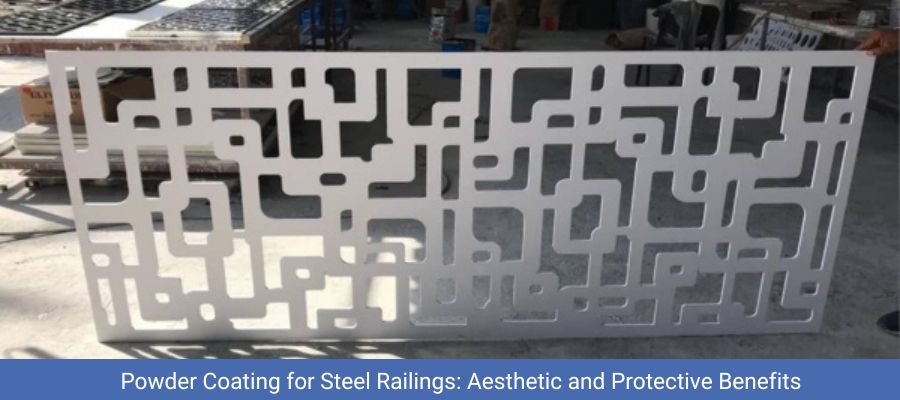
Powder coating is an electrostatically applied thermosetting polymer coating that is cured in an oven at 180–200°C. Applied over a galvanized base coat, powder coating provides:
- A decorative colour finish in any RAL colour, including the popular black, charcoal, white, and bronze finishes common on Kampala’s modern buildings.
- An additional barrier against moisture, UV radiation, and physical damage.
- A smooth, hard surface that is easy to clean and resistant to chipping under normal use.
For optimal performance on outdoor balcony railings in Uganda, Build Matt specifies:
- Minimum 60 microns dry film thickness for exterior powder coating.
- Thermosetting polyester powder coat with UV stabilisers for resistance to Uganda’s high UV intensity.
- Thorough surface preparation including shot blasting, zinc phosphate priming, and galvanizing before powder coat application.
Without galvanizing beneath the powder coat, powder-coated railings in Uganda can begin corroding within three to five years as moisture finds its way under the coating at scratches, cut edges, and welded joints.
Method 3: Stainless Steel — The Zero-Maintenance Premium Option
For property developers and building owners who want balcony railings that require virtually no corrosion maintenance, stainless steel is the premium choice. Unlike mild steel, stainless steel contains a minimum of 10.5% chromium, which forms a self-healing passive chromium oxide layer on the surface that prevents rust even without any surface coating.
Stainless steel grades for Ugandan balcony railings:
- Grade 304 stainless steel: The standard grade for interior and sheltered exterior balcony applications in Uganda. Suitable for most Kampala residential and commercial balconies.
- Grade 316 stainless steel: The marine-grade stainless steel with molybdenum added for enhanced chloride resistance. Recommended for balconies near Lake Victoria, in high-pollution urban environments, or for coastal projects in East Africa.
While stainless steel balcony railings have a higher initial fabrication cost than galvanized mild steel railings, the elimination of repainting costs and the material’s 50+ year lifespan make it cost-effective over a building’s lifetime. Build Matt’s steel railings suppliers division fabricates and installs stainless steel balustrades for Uganda’s leading commercial developments, hotels, and premium residential estates.
Read Our Article
Steel Railings & Balustrades for Uganda CitiesMethod 4: Paint Systems for Existing or Budget Railing Projects
Where hot-dip galvanizing is not possible—for example, for in-situ repairs or budget-constrained projects—a high-quality paint system can provide meaningful corrosion protection for mild steel balcony railings in Uganda:
- Surface preparation: Wire brush or angle grind all rust and contamination to bare metal. This is the most critical step—paint applied over rust will fail rapidly.
- Zinc-rich primer: Apply a zinc-rich epoxy primer (minimum 50 microns) as the first coat. The zinc particles provide cathodic protection similar to galvanizing.
- Intermediate coat: Apply an epoxy mid-coat (minimum 75 microns) for barrier protection and adhesion of the topcoat.
- Topcoat: Apply a polyurethane or epoxy topcoat (minimum 50 microns) for UV resistance, colour, and final barrier protection.
This three-coat paint system, when applied to properly prepared steel, can provide 5 to 10 years of corrosion protection in Uganda’s tropical climate before repainting is required.
Maintenance Routine for Steel Balcony Railings in Uganda
Even the best anti-corrosion treatment requires a regular maintenance routine to achieve maximum service life. Build Matt recommends the following annual inspection and maintenance programme for steel balcony railings in Uganda:
- Annual visual inspection: Check all railing surfaces, welds, fixings, and end caps for any signs of rust, coating damage, or physical impact damage.
- Clean the railings: Wash all railing surfaces with clean water and a mild detergent solution to remove dirt, dust, bird droppings, and pollution deposits. Rinse thoroughly.
- Treat rust spots immediately: If any surface rust is found during inspection, wire brush the affected area to remove all rust, apply zinc-rich primer, and touch up with a matching polyurethane topcoat. Do not allow rust to spread.
- Inspect and retighten fixings: Check all anchor bolts, post base plates, and connection bolts. Retighten any loose fixings. Apply touch-up paint or zinc cold spray to any bare metal on fixings.
- Inspect welds: Pay particular attention to welded joints, which are the most common initiation point for corrosion due to heat-affected zone changes in the steel’s microstructure.
Recoat as required: Powder-coated or painted railings should be fully recoated when the coating film shows significant chalking, fading, or areas of adhesion failure—typically every 8 to 12 years for well-applied coatings in Uganda.
Our Other Product
Cold Storage & Agricultural Storage BuildingsCommon Mistakes That Accelerate Balcony Railing Corrosion in Uganda
- Not galvanizing before powder coating: The most common and costly mistake. Without a galvanized base coat, powder coat damage leads directly to rapid steel corrosion.
- Using PVC-coated or painted steel without proper surface preparation: Paint applied over mill scale or contamination will delaminate within one to two years.
- Ignoring small rust spots: Surface rust spreads beneath the coating by undercutting—a small rust spot treated promptly costs far less than a railing that requires full replacement.
- Trapping water in hollow sections: Hollow post sections should have drainage holes or be sealed at both ends to prevent water accumulation and internal corrosion.
- Dissimilar metal contact: Contact between steel and aluminium, copper, or brass fittings creates galvanic corrosion. Use insulating washers or select compatible metal combinations.
Why Choose Build Matt for Corrosion-Protected Steel Railings in Uganda?
Build Matt Ltd. designs and fabricates steel balcony railings using proven anti-corrosion systems tailored to Uganda’s tropical climate. Every Build Matt railing system starts with hot-dip galvanized mild steel or marine-grade stainless steel, and is finished with professional powder coating to client specifications. Our 20-year track record in Uganda’s construction industry ensures that our railings deliver the durability, safety, and aesthetics that Ugandan property owners and developers demand.
Let’s Discuss! Request a Call Now!
 Call Now!
Frequently Asked Questions (FAQs)
Untreated mild steel in Kampala's humid climate can begin showing surface rust within three to six months of exposure. Structural rust that compromises railing safety can develop within two to five years. Proper galvanizing and powder coating extends this to 20 to 30 years.
Yes, hot-dip galvanizing is strongly recommended as the primary corrosion protection for all mild steel outdoor balcony railings in Uganda. Without galvanizing, powder coat or paint systems applied directly to mild steel will not provide adequate long-term protection in Uganda's tropical climate.
Grade 304 is standard stainless steel suitable for most Ugandan indoor and sheltered outdoor applications. Grade 316 has added molybdenum for enhanced resistance to chloride corrosion and is recommended for balconies near lakes, in coastal areas, or in high-pollution urban environments in Uganda.
Well-applied powder-coated railings over a galvanized base should not need full repainting for 10 to 20 years. However, annual inspection is essential, and any areas of coating damage should be treated immediately with touch-up paint to prevent corrosion from establishing under the coating.
Yes. Build Matt's maintenance team can assess existing corroded railings, carry out mechanical surface preparation, apply zinc-rich primer, and refinish with polyurethane topcoats to restore protection and appearance. In cases of severe structural corrosion, Build Matt can fabricate and install replacement railing sections or complete new railing systems.
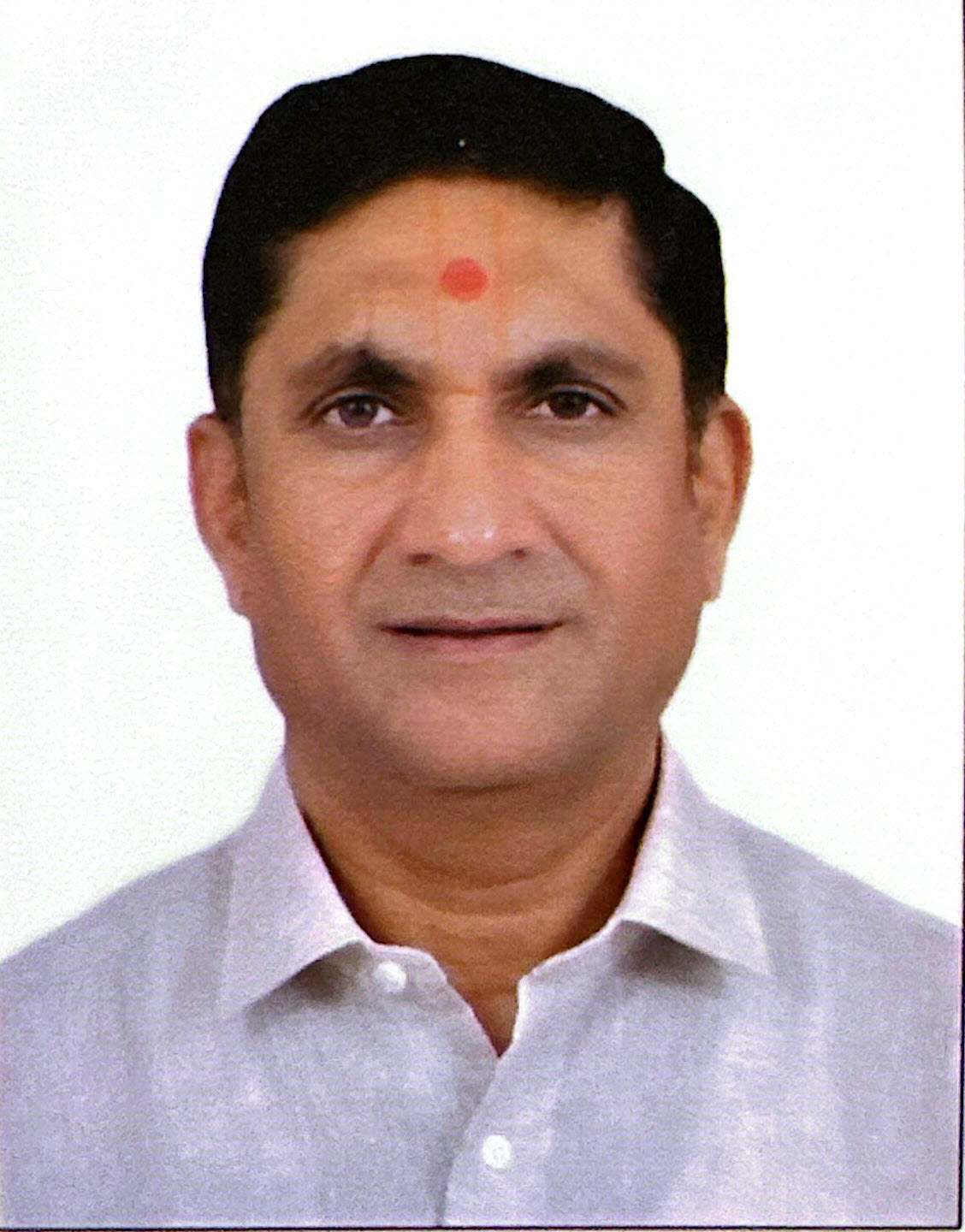
Founder & CEO
Mukesh Patel is the Founder & CEO of Build Matt ltd, specializing in Pre-Engineered Buildings (PEB) and general steel fabrication. With advanced technology, modern machinery, and a skilled workforce, he delivers efficient and high-quality solutions across East and Central Africa, including Uganda, Kenya, Tanzania, Congo, South Sudan, Rwanda, and Burundi.
Recent Blogs
- How to Choose the Right Industrial Steel Shelving System for Your Factory or Warehouse in Uganda
- Why Ugandan Businesses Are Switching to Prefab Steel Office Buildings
- Prefab Steel Office Building in East Africa: Top 7 Features to Look for
- Prefab Office Buildings for NGOs and Government Institutions in Uganda: A Practical Guide
- How To Get a Prefab Home in Uganda: Step-by-Step Process