
What Is a Steel Mezzanine Floor?
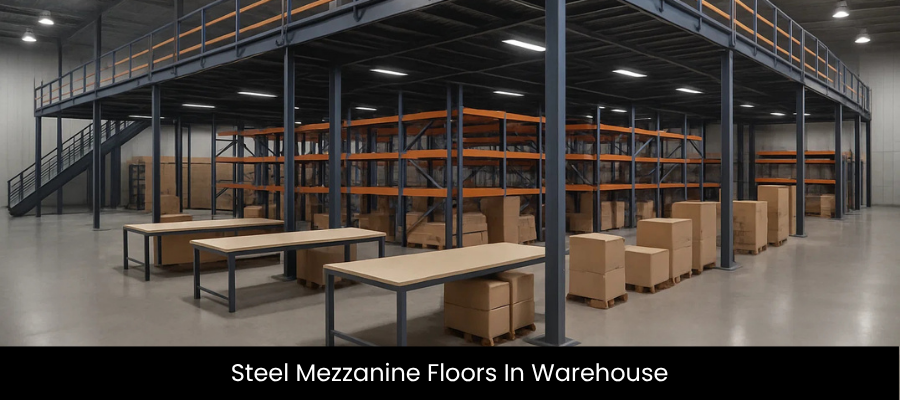
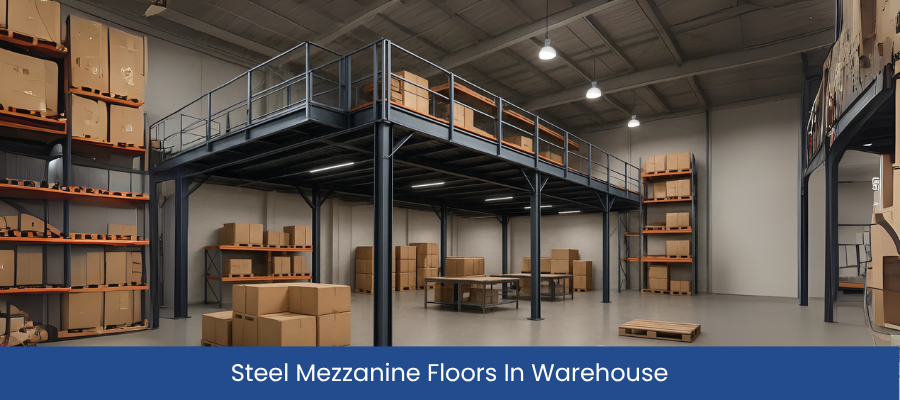
A steel mezzanine floor is an intermediate floor installed within a warehouse or commercial space, providing additional storage or operational space between two main levels. Typically supported by steel columns or walls, mezzanine floors are a cost-effective way to increase usable space in high-ceiling environments. The steel structure mezzanine allows for custom configurations, enabling businesses to optimize their warehouse layout without needing to expand the building itself.
- Modular and Customizable: Steel mezzanines can be designed to meet the specific requirements of your warehouse, including weight-bearing capacity and floor plan configuration.
- Prefabricated for Fast Installation: Steel mezzanine floors come in prefabricated kits, allowing for quick assembly on-site, which minimizes downtime and gets your warehouse back to full functionality in no time.
- Long-Term Adaptability: Steel structure mezzanines are engineered for long-term use and can be easily relocated, expanded or reconfigured as your warehouse needs evolve.

How Steel Mezzanine Floors Maximize Warehouse Space
1. Vertical Storage Solutions
A steel mezzanine structure allows you to make use of the vertical space in your warehouse. High ceilings can be transformed into valuable storage areas, doubling or even tripling your storage capacity without increasing the warehouse’s square footage.
- Efficient Use of Space: Steel mezzanines create multi-level storage platforms, allowing you to stack goods and equipment, while freeing up space on the ground level for other activities like order picking, packing or shipping.
- Flexible Configuration: The flexibility of steel mezzanine structures means they can be configured to support various storage solutions, such as racks, shelves or palletized systems.
2. Easy Integration with Existing Systems
Steel mezzanine floors can be seamlessly integrated with existing warehouse infrastructure. Whether your warehouse is already outfitted with shelving, pallet racks or other storage systems, a steel mezzanines can be designed to complement these systems.
- Rack-Supported Mezzanines: By combining mezzanine floors with rack systems, you can optimize both vertical storage and ease of access for inventory-heavy environments.
- Heavy-Duty Mezzanine: For warehouses handling large or heavy items, steel mezzanine can be designed to support heavy-duty loads, ensuring maximum safety and functionality.
What Are the Benefits of Steel Mezzanine Floors Over Concrete or Other Materials?
1. Strength and Durability
Steel is inherently strong and resistant to various wear and tear factors. When compared to wood or concrete, steel mezzanine floors offer exceptional durability under demanding warehouse conditions.
- Heavy-Duty Load Capacity: Steel has an excellent strength-to-weight ratio, making it ideal for handling heavy equipment, materials or inventory without the risk of warping or breaking.
- Resistant to Environmental Factors: Steel is immune to issues like termites, rotting or cracking, which can affect wooden mezzanines. Additionally, steel mezzanines do not suffer from the weight limitations that concrete mezzanines may face.
2. Faster Installation and Flexibility
Unlike concrete mezzanines, which often require extensive curing time and on-site construction, steel mezzanine floors can be prefabricated in modular sections. This allows for much faster installation with minimal disruption to warehouse operations.
- Quick Assembly: Prefabricated steel mezzanine structures arrive on-site as kits that are ready to assemble, ensuring that the installation process is efficient and minimizes downtime.
- Modular Design: Steel mezzanines can be customized and expanded based on your future needs, which makes them a long-term solution for evolving warehouse requirements.
When Should You Install Steel Mezzanine Floors in Your Warehouse?
1. Expanding Storage Capacity
2. Enhancing Operational Efficiency
3. Adapting to Changing Inventory Needs
Where Can Steel Mezzanine Floors Be Installed in Your Warehouse?
1. Overhead Storage
2. Above Production or Assembly Areas
3. In High-Ceiling Areas

Conclusion
Installing steel mezzanine floors in your warehouse offers a cost-effective, efficient and scalable solution for maximizing storage space and improving operational workflow. The steel mezzanine structure provides exceptional strength, adaptability and speed of installation, making it the ideal choice for warehouse owners who need to expand their storage capacity without the high costs and long construction timelines associated with traditional building extensions.
FAQs About Steel Mezzanine Floors
Steel mezzanine floors maximize vertical space, improve operational efficiency, provide heavy-duty storage solutions and are adaptable for future growth, all while being faster to install than traditional building expansions.
The installation of steel mezzanine floors is relatively quick, thanks to prefabrication. Most installations can be completed within a few days, minimizing disruptions to warehouse operations.
Yes, steel mezzanines are highly versatile and can be installed in various types of warehouses, including those for manufacturing, distribution, retail and e-commerce.
The weight capacity of mezzanine floors can vary depending on the design and specifications. Steel mezzanines can be customized to meet your warehouse’s specific load-bearing requirements, ensuring safe storage for heavy equipment or inventory.
Yes, steel mezzanine floors are highly customizable. They can be designed to meet specific load-bearing requirements, configuration needs and warehouse layouts, offering a tailored storage solution for your business.

Founder & CEO
Mukesh Patel is the Founder & CEO of Build Matt ltd, specializing in Pre-Engineered Buildings (PEB) and general steel fabrication. With advanced technology, modern machinery, and a skilled workforce, he delivers efficient and high-quality solutions across East and Central Africa, including Uganda, Kenya, Tanzania, Congo, South Sudan, Rwanda, and Burundi.