

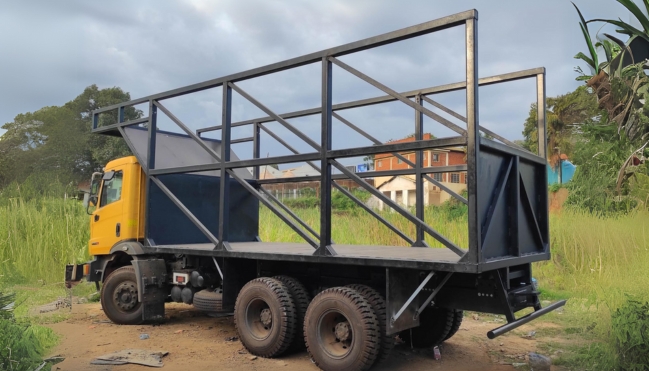
The art and science of vehicle body building have undergone significant transformations over the years. From hand-crafted wooden carriages to cutting-edge designs crafted using lightweight materials and advanced machinery, this evolution reflects technological progress and changing consumer demands. For vehicle body builders, staying at the forefront of innovation has been essential to meet the challenges of safety, performance, and sustainability. This article explores the fascinating journey of vehicle body fabrication from its traditional roots to the modern techniques employed today.
1. Traditional Vehicle Body Building Techniques
Craftsmanship in the Early Days
In the early days of vehicle body building, crafting a vehicle body was a labor-intensive process that relied heavily on skilled artisans. Materials like wood and steel were shaped manually, and each vehicle was a unique piece of craftsmanship.
- Wooden Frames: The primary material used in the 19th and early 20th centuries. Wood was lightweight and easy to work with but lacked durability.
- Early Steel Usage: As vehicles evolved, steel became a popular choice for its strength, enabling vehicles to handle heavier loads.
Lack of Standardization
During this period, there was no standardization in designs. Each vehicle was custom-built, which made mass production nearly impossible. For commercial vehicle body builders, the challenge was meeting the diverse needs of industries like agriculture and logistics.
2. The Industrial Revolution and Its Impact
Introduction of Assembly Lines
The industrial revolution marked a turning point in vehicle body building. Henry Ford’s introduction of the assembly line in the early 20th century revolutionized the process, making mass production possible. Key innovations included:
- Uniform steel frames for consistent quality.
- Interchangeable parts that sped up repairs and maintenance.
- Reduced production costs, making vehicles more affordable.
Shift Towards Steel and Metal Fabrication
The shift from wood to steel allowed for:
- Increased durability and load capacity.
- Enhanced safety features, such as stronger roofs and frames.
- Compatibility with early vehicle body fabrication techniques like welding and riveting.
3. Post-War Innovations in Vehicle Body Design
Rise of Lightweight Materials
After World War II, the automotive industry saw a surge in the use of lightweight materials like aluminum. These materials were initially used in aircraft manufacturing and later adapted for vehicles. Advantages included:
- Improved fuel efficiency.
- Enhanced performance due to reduced weight.
For commercial vehicle body builders, this innovation led to the development of specialized vehicles for industries like construction and agriculture.
Standardization and Globalization
As vehicles became a global commodity, standardization in design and manufacturing emerged. Vehicle body builders began adopting international standards, which streamlined production and made vehicles more reliable.
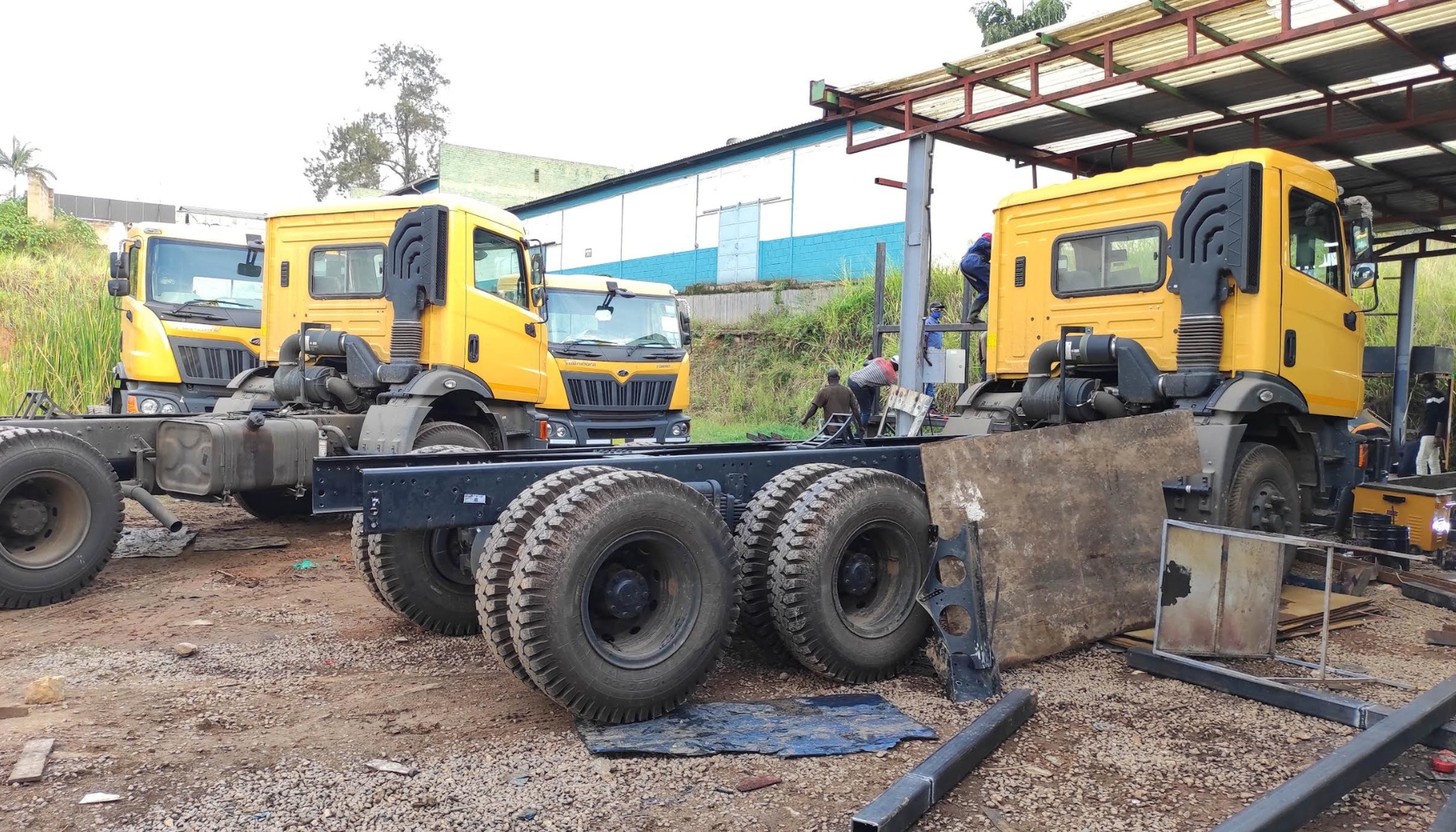
4. Modern Vehicle Body Building Techniques
1. Advanced Materials
Modern vehicle body fabrication employs a variety of materials, each chosen for its specific properties:
- High-Strength Steel: Used in commercial vehicle body builders to enhance safety and durability.
- Aluminum: Lightweight and corrosion-resistant, often used in trailers and special-purpose vehicles.
- Composites: Carbon fiber and fiberglass are used for high-performance and luxury vehicles due to their superior strength-to-weight ratio.
2. CAD and Simulation Tools
The introduction of computer-aided design (CAD) has revolutionized how vehicle body builders approach design. These tools allow for:
- Precise designs that maximize performance and aesthetics.
- Simulation of stress and load conditions to ensure durability.
- Shortened design cycles, enabling faster time-to-market.
3. Robotic Welding and Automation
Automation has streamlined vehicle body fabrication, ensuring consistency and quality. Robotic systems are used for:
- Welding steel frames and aluminum panels.
- Cutting and shaping materials with precision.
- Assembling components efficiently, especially for commercial vehicle body builders producing in bulk.
5. Industry-Specific Advances in Vehicle Body Building
Vehicle Body Building for Cement and Concrete Industries
Vehicles designed for cement and concrete must withstand heavy loads and harsh conditions. Modern designs feature:
- Reinforced steel bodies for durability.
- Lightweight aluminum bins to enhance fuel efficiency.
Vehicle Body Building for Sugar and Heavy Machine Industries
In industries like sugar and heavy machinery, vehicles require specialized bodies to transport bulky equipment. Innovations include:
- Modular designs that allow for easy customization.
- High-strength materials to support heavy loads.

6. Trends Shaping the Future of Vehicle Body Building
Sustainability and Eco-Friendly Materials
Environmental concerns are pushing vehicle body builders toward greener materials and processes. Trends include:
- Recyclable composites for eco-friendly designs.
- Reduced emissions during vehicle body fabrication.
Smart and Connected Vehicles
The integration of smart technologies is transforming vehicle body design. Features include:
- Sensors embedded in frames to monitor performance.
- Advanced aerodynamics to reduce fuel consumption.
Electric Vehicle Adaptations
With the rise of electric vehicles (EVs), vehicle body builders are developing lighter designs to maximize battery efficiency. This involves:
- Using lightweight materials like carbon fiber.
- Reimagining vehicle layouts to accommodate battery packs.
7. Benefits of Modern Vehicle Body Building Techniques
1. Enhanced Performance
Modern techniques ensure that vehicles are not only durable but also optimized for performance. This is particularly crucial for commercial vehicle body builders who cater to industries with demanding requirements.
2. Cost-Effectiveness
Automation and advanced materials have reduced production costs while improving quality, making vehicles more accessible to a broader market.
3. Greater Customization
From specialized trailers to multi-purpose cabs, modern techniques offer unparalleled customization, ensuring vehicles meet the specific needs of their users.
4. Improved Safety Standards
Modern designs incorporate features like crumple zones and reinforced frames, enhancing safety for passengers and cargo.

Conclusion
The evolution of vehicle body building from traditional craftsmanship to modern, technology-driven techniques highlights the industry’s adaptability and innovation. For commercial vehicle body builders, advancements in materials, automation, and design have not only improved performance and safety but also reduced environmental impact. As the industry moves forward, embracing new technologies and sustainable practices will ensure that vehicle body fabrication continues to meet the demands of a changing world.
Read More Articles About Vehicle Body Building
- How Vehicle Body Builders Can Increase Fuel Efficiency with Efficient Vehicle Body Design
- The Role of Advanced Steel Fabrication in Modern Vehicle Body Building

Founder & CEO
Mukesh Patel is the Founder & CEO of Build Matt ltd, specializing in Pre-Engineered Buildings (PEB) and general steel fabrication. With advanced technology, modern machinery, and a skilled workforce, he delivers efficient and high-quality solutions across East and Central Africa, including Uganda, Kenya, Tanzania, Congo, South Sudan, Rwanda, and Burundi.